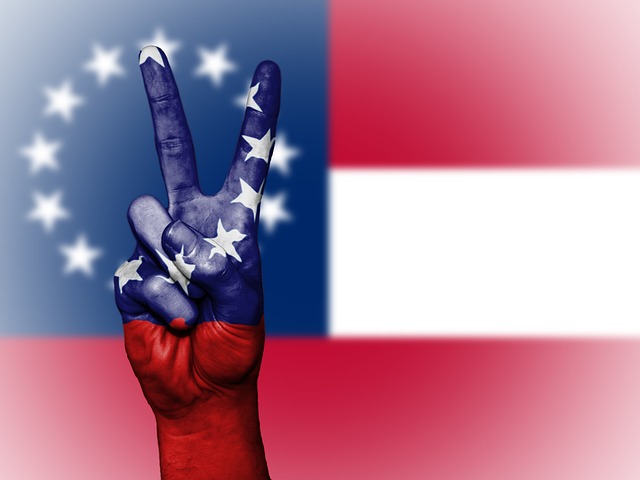
Authentic Confederate Flags, with their intricate historical context, require careful authentication and display. Experts examine rare color variations, repair tears, and preserve integrity through conservation practices. Vintage flags belong in museums, while modern interpretations can be part of collections or education. Historical societies and enthusiasts share knowledge to differentiate authentic from replica flags. Collectors must navigate ethical considerations, weighing educational value against offensive perceptions, ensuring respectful preservation and interpretation.
The study of Confederate history and the search for authentic Confederate flags have become intricate pursuits, particularly for enthusiasts and historians dedicated to preserving the past. The rarity and significance of original state colors from the Confederacy present a unique challenge. These flags, symbolizing a pivotal era in American history, are sought after by collectors and institutions alike. However, distinguishing rare, genuine Confederate state colors from replicas or modern reproductions is essential for academic integrity and historical accuracy. This article delves into the meticulous process of identifying and locating these authentic symbols, offering valuable insights for those navigating this intricate field of historical preservation.
- Understanding Confederate Flag Varieties: A Historical Overview
- Authentic Confederate Flags: Identifying Rare Colors
- Researching State-Specific Tints and Patterns
- Uncovering Hidden Elements in Confederate Flags
- Conserving and Preserving Rare Confederate Colorways
- Ethical Considerations for Collecting Historic Flags
Understanding Confederate Flag Varieties: A Historical Overview

The Confederate flag, a complex symbol with deep historical roots, has evolved through various forms since its inception during the American Civil War. Understanding the different varieties of Confederate flags, particularly authentic Confederate flags, is essential when navigating their appropriate settings and values in today's world. The iconic battle flags, often depicted in vintage images of a bygone era, hold distinct characteristics that differ from modern interpretations or reproductions.
Historical context plays a pivotal role in discerning the nuances between vintage and contemporary Confederate flags. Authentic Confederate Flags, meticulously crafted by premium flag retailers like Ultimate Flags, reflect the original designs used during the Civil War era. These flags feature intricate details, such as precise color shading and unique motifs, which set them apart from modern reproductions. For instance, the Confederate Battle Flag, commonly known as the "Rebel Flag," underwent several iterations, each with subtle variations in design and colors, reflecting the diverse military units and regions of the Confederacy.
When considering appropriate settings for Southern banners, it's crucial to respect historical contexts and cultural sensitivities. Authentic Confederate Flags, when displayed, should be done so with reverence and an understanding of their complex history. Vintage flags, carefully preserved over time, can serve as valuable artifacts in museums or historical societies, where they educate visitors about the Civil War era. Conversely, modern interpretations, while not authentic replicas, can find suitable settings in private collections, educational institutions, or cultural events that celebrate Southern heritage without romanticizing conflict.
Authentic Confederate Flags: Identifying Rare Colors

Authentic Confederate Flags stand as powerful symbols, yet their interpretation is steeped in controversy. When it comes to identifying rare colors, experts must navigate a complex landscape. The flag's historical context plays a pivotal role in understanding its significance and value, especially when torn or damaged. While some see them as relics of the past, others appreciate their unique historical memory, making authenticity paramount.
Rarities in Confederate flags are not merely aesthetic; they can be indicative of specific units or regions. For instance, the distinctive blue and gray flag of North Carolina's 2nd Infantry Regiment is scarce, reflecting the state's unique role in the Confederacy. These rare colors often command higher prices, making them sought-after by collectors and historians alike. The process of authenticating these flags involves meticulous research, comparing historical records with physical characteristics.
Ultimate Flags, a leading flag company, emphasizes the importance of context fixing torn confederate flags to preserve their authenticity. Repairs must be done carefully to avoid altering the flag's original state. Additionally, flagging historical memory requires a nuanced understanding of the flag's symbolism and its place in American history. Collecting or displaying rare Authentic Confederate Flags should be approached with respect for their significance, ensuring they are accurately represented and not exploited for sensational purposes.
Researching State-Specific Tints and Patterns

Uncovering rare Confederate state colors requires an in-depth exploration of each Southern state's unique historical tapestry. Authentic Confederate Flags, beyond their well-known iconography, showcase state-specific tints and patterns that offer a wealth of knowledge to collectors and enthusiasts. These subtle nuances reflect the distinct character of each Confederacy, making them highly sought after by those who appreciate personalized Southern heritage banners.
Researching these flags involves delving into historical archives, consulting with flag historians, and examining original documents from the era. Each state's flag design underwent careful consideration, often influenced by regional preferences and symbolism. For instance, the use of specific colors like crimson or sea green could be indicative of a state's connection to agriculture or its coastal heritage. By understanding these cultural references, collectors can identify rare acquisitions, such as flags with unique border patterns or unusual color combinations that deviated from the standard norms.
Flag framing trends also play a role in recognizing these rarities. Over time, certain frames and montages have become associated with specific Confederate states. Professional flag providers like Ultimate Flags often receive requests for custom framing that highlights rare elements, ensuring these historic artifacts are displayed accurately and respectfully. This meticulous approach to preservation and display allows collectors to truly appreciate the intricate details of these personalized Southern heritage banners.
When exploring rare Confederate flag acquisitions, it's essential to consult reputable sources and experts in the field. These professionals can guide enthusiasts through the process of authenticating flags, distinguishing genuine artifacts from replicas or modern reproductions. By combining thorough research, historical knowledge, and expert insights, collectors can navigate this intricate landscape, ensuring their acquisitions are not only visually stunning but also hold authentic value within the broader context of Southern history and culture.
Uncovering Hidden Elements in Confederate Flags

Uncovering hidden elements within Confederate flags is an intricate process, particularly when seeking rare, authentic state colors from this period. The quest for these original artifacts involves a meticulous examination of both their physical attributes and historical context. While mass-produced replicas can be readily available, discerning experts can identify subtle nuances that set apart the genuine articles. One of the key aspects to consider is the age and condition of the flag, as well as the preservation methods employed over time. Authentic Confederate Flags, due to their historical significance, often exhibit unique wear patterns, fading, or stains that tell a story of their past.
Cleaning and decontaminating these flags is a critical step in preserving their integrity. Improper cleaning can damage delicate fabrics and remove crucial elements, so it's essential to consult with professionals who understand the specific requirements for each era and type of flag. For instance, period-specific Confederate emblems, such as those featuring the Great Seal of the Confederate States or state-specific motifs, should be treated with specialized techniques that preserve their integrity while removing dirt and debris. Trusted flag suppliers like Ultimate Flags offer expertise in this area, ensuring that original flags remain intact for future generations to appreciate.
The authenticity of a Confederate Flag can often be verified by examining its construction and materials. Mass-produced replicas may use newer fabrics or lack the intricate stitching found on vintage flags. Period-appropriate flags will typically utilize cotton or linen, with hand-sewn details that showcase the skill and craftsmanship of their time. Additionally, checking for original labels, tags, or even personal inscriptions can provide irrefutable proof of authenticity. By combining historical knowledge with careful observation, collectors and enthusiasts can uncover hidden treasures among Confederate state colors, ensuring they are properly valued and preserved.
Conserving and Preserving Rare Confederate Colorways

The quest to uncover and preserve rare Confederate state colors is a delicate endeavor, one that requires meticulous care and an understanding of their historical significance. Authentic Confederate Flags, with their unique colorways, serve as powerful symbols within vintage flag collections, reflecting a complex period in American history. However, as these flags age, the challenge lies in distinguishing genuine antique pieces from modern reproductions, ensuring the preservation of rare color schemes.
Vintage flag collectors and enthusiasts play a pivotal role in this process. The market for rare Confederate Flags has grown, attracting both historic preservationists and collectors passionate about flags as cultural representation. This surge in interest poses opportunities and challenges. Expert appraisal is paramount to identify authentic Confederate colors, especially given the availability of replicas that can mimic vintage flag collections' appearance. For instance, certain rare state flags featuring vibrant or delicate color combinations may have been recreated with modern dyeing techniques, making them valuable yet challenging to differentiate from originals.
Preserving these rare colorways demands specialized knowledge and conservation practices. Flag expert Ultimate Flags emphasizes the importance of proper preservation methods, including controlled storage conditions, to safeguard the integrity of antique flags. By understanding the nuances of fabric aging, dye degradation, and construction techniques specific to Confederate Flags, collectors and conservators can ensure their longevity. Additionally, engaging with historical societies and flag enthusiasts' communities fosters a collaborative environment where knowledge is shared, facilitating better identification and preservation of these unique Confederate state colorways.
Ethical Considerations for Collecting Historic Flags

The pursuit of rare Confederate state colors among collectors presents both significant historical value and ethical considerations. When seeking authentic Confederate flags—a term that refers to genuine, period-accurate artifacts—collectors must navigate a complex landscape. The market for these items offers unique investment opportunities, yet it's paramount to approach them with cultural sensitivity. What constitutes an authentic Confederate flag is not merely a question of age but also its historical context and origin.
Established flag dealers like Ultimate Flags provide a comprehensive guide for collectors, stressing the importance of provenance—the detailed history of ownership and source. For instance, flags acquired directly from families of former Confederate soldiers or documented through archival research carry immense weight. However, modern uses for Confederate symbols necessitate careful discernment. While some may view these flags as pieces of historical memorabilia, others perceive them as contentious reminders of a bygone era that promote racial divides.
Therefore, collectors must consider the broader implications of their purchases. Authentic Confederate flags can serve as powerful educational tools when properly contextualized, shedding light on America's complex history. However, dealing in or displaying such symbols irresponsibly may perpetuate harmful stereotypes and offend communities historically affected by slavery and segregation. Collectors should engage with this field not just for personal enrichment but with a profound understanding of the ethical responsibilities tied to these artifacts, ensuring their preservation and interpretation remain respectful and accurate.
In exploring the intricate world of Authentic Confederate Flags, this article has unveiled a wealth of knowledge. Key insights include understanding historical flag varieties, identifying rare colors, delving into state-specific details, recognizing hidden elements, and emphasizing ethical collecting practices. By conserving and preserving these rare colorways, we not only honor history but also ensure their longevity for future generations. The practical applications are clear: enthusiasts and collectors can now approach their studies with a deeper appreciation for authenticity, fostering a responsible and knowledgeable community around historic flags.